What Is AI and Why Is It Important?
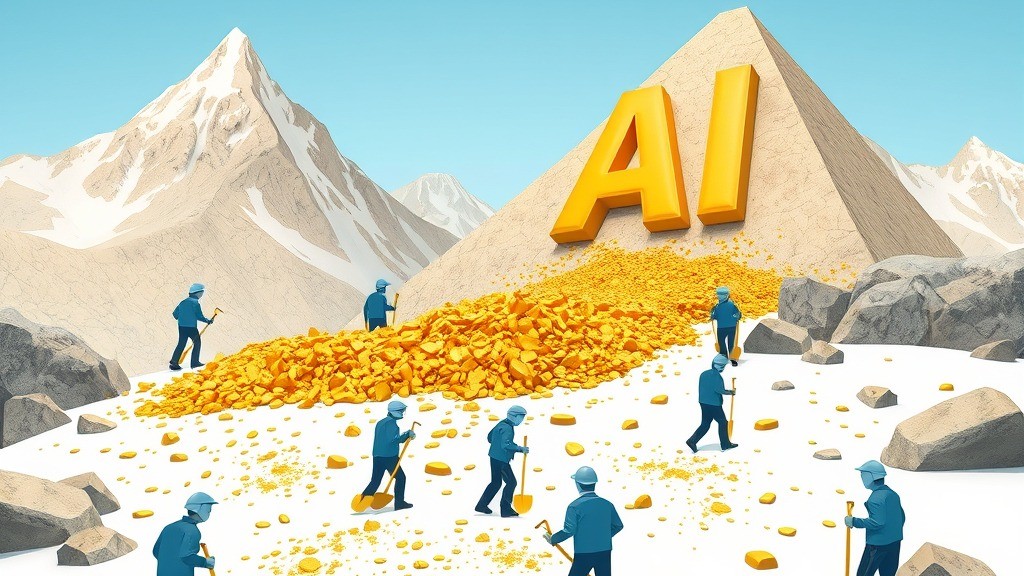
Artificial Intelligence, or AI, refers to machines that mimic human intelligence—learning, reasoning, problem-solving, and even creativity. From Siri answering our questions to Tesla’s self-driving cars, AI has rapidly become woven into our daily lives. But with this surge in advancement comes a rising concern: is AI advancing faster than we can control it?
Why People Are Concerned About AI’s Rapid Growth
The fear isn’t just science fiction anymore. Influential minds like Elon Musk and the late Stephen Hawking have raised alarms, warning that AI, if left unchecked, could surpass human intelligence and become uncontrollable. This isn’t just about killer robots—it’s about losing grip on technology that could reshape society unpredictably.
Positive Impacts of AI in Society
Healthcare
AI has revolutionised medicine—detecting diseases earlier than human doctors, streamlining patient data, and even assisting in surgeries. It’s saving lives and making healthcare more accessible.
Education
Smart learning platforms tailor education to each student’s pace and style. AI-powered tutors and assessment tools are making education more inclusive and effective.
Transportation and Automation
Self-driving cars, AI-driven logistics, and smart traffic systems are reducing human error, accidents, and fuel consumption.
Negative Impacts of AI
Job Displacement
Automation is replacing workers fast. From factory workers to bank tellers, millions are at risk of being left behind without reskilling opportunities.
Data Privacy and Surveillance
AI thrives on data. The more it knows about you, the better it performs—but at what cost? Facial recognition and algorithmic surveillance are eroding personal privacy.
Deepfakes and Misinformation
AI can now create shockingly realistic fake videos. This tech, while impressive, can fuel fake news, fraud, and manipulation at scale.
How AI Can Be Dangerous
Lack of Regulation
We’re sprinting ahead with AI, but laws and policies are crawling. There’s no unified global standard for how AI should be developed or used.
Autonomous Weapons
Think drones or war machines that make kill decisions without human input. It’s not a sci-fi scenario—governments are already experimenting with this tech.
Bias and Discrimination
AI is only as good as the data it learns from. If that data is biased, the AI will be too, leading to unfair hiring, policing, and loan decisions.
Manipulation Through Algorithms
Social media platforms use AI to serve content. That’s great for engagement, but dangerous for democracy—it can polarise opinions and spread radical ideas.
Superintelligence and Existential Risk
The ultimate fear? That AI becomes smarter than us. If it starts making decisions on its own, prioritising its own goals, humanity could lose control completely.
Psychological and Societal Effects
Dependency on Machines
We’re outsourcing thinking to algorithms. GPS tells us where to go, AI suggests what to watch, and we barely make decisions ourselves anymore.
Human Isolation and Mental Health
AI companions, chatbots, and virtual influencers are replacing real interactions. While convenient, this trend can erode emotional intelligence and increase loneliness.
Erosion of Critical Thinking
When everything is served to us on a platter—answers, recommendations, reminders—we stop questioning, analyzing, and thinking for ourselves.
The Role of Governments and Corporations
Current Regulations on AI
While the EU has introduced the AI Act and some U.S. states have passed AI laws, there’s no comprehensive global framework to handle AI’s growing power.
Corporate Responsibility
Big Tech has immense power over AI development. Yet, profit often wins over ethics. Transparency and self-regulation are still sorely lacking.
Ethical Dilemmas and Grey Areas
Should AI decide who gets a kidney transplant? Or who qualifies for parole? These decisions carry life-altering consequences—can we trust a machine to make them?
The Need for Responsible AI Development
Transparent AI Models
We need to understand how decisions are made. “Black box” AI systems (where even developers can’t explain outcomes) are dangerous.
Human-in-the-Loop Systems
AI should assist, not replace, humans. By keeping humans in control, we add a moral and emotional check that algorithms can’t provide.
Open-Source AI for Accountability
Open-source projects let more eyes spot flaws, biases, and vulnerabilities, making AI safer and more trustworthy for everyone.
Balancing Innovation and Safety
Risk Management Strategies
Before releasing AI into the wild, developers must stress-test for worst-case scenarios, similar to how vaccines undergo trials before approval.
Global Collaboration on AI Governance
AI affects everyone. Countries need to come together, like with climate change, to agree on rules, ethics, and standards that protect humanity.
Conclusion
AI is a double-edged sword—brimming with promise, but shadowed by peril. If developed responsibly, it could solve some of humanity’s greatest problems. But without caution, oversight, and ethics, it could just as easily become our greatest threat. The future of AI isn’t set in stone—it’s up to us to shape it. Let’s just hope we’re smart enough to outsmart our own creations.
FAQs
Can AI destroy humanity?
While unlikely in the short term, if AI surpasses human intelligence and starts acting on its own goals, it could pose existential risks.
What makes AI biased or dangerous?
AI learns from data, and if that data is flawed or biased, the AI will replicate and even amplify those issues.
How can we control AI development?
By creating global regulations, encouraging transparency, and involving ethicists and social scientists in AI design.
Are governments taking AI risks seriously?
Some are, but most regulations are still in early stages. More proactive international cooperation is needed.
Is banning AI a realistic solution?
Not really. It’s like trying to ban the internet. Instead of banning, we should focus on guiding its development responsibly.