The line between working out and having fun has never been thinner. Today’s fitness landscape is undergoing a radical transformation — gyms are becoming arenas, exercise is becoming a storyline, and sweat sessions are becoming social events worth live-streaming. A new generation of health enthusiasts no longer wants to grind through repetitive routines in silence. They want immersion, competition, narrative, and community. Here are the top five fitness trends that are merging the worlds of sports and entertainment — and changing what it means to get fit.
1. Gamified Fitness Platforms
Video games kept us glued to screens for decades. Now, that same addictive loop — challenges, rewards, leaderboards, level-ups — is powering real-world exercise. Platforms like Zwift (for cycling and running), Peloton, and emerging VR fitness apps like Les Mills Bodycombat VR are turning workouts into full-blown interactive experiences.
Riders on Zwift don’t just pedal — they race avatars through digital worlds, compete in timed events, and earn jerseys for performance. The psychological effect is profound: when you’re chasing a competitor on-screen, you forget you’re on a stationary bike in your living room.
This trend is particularly explosive among younger fitness audiences who grew up gaming. The gamification of fitness respects their language — progression systems, achievements, social rankings — and translates it into physical movement. The result? Longer, more consistent workout sessions driven not by discipline alone, but by genuine fun.
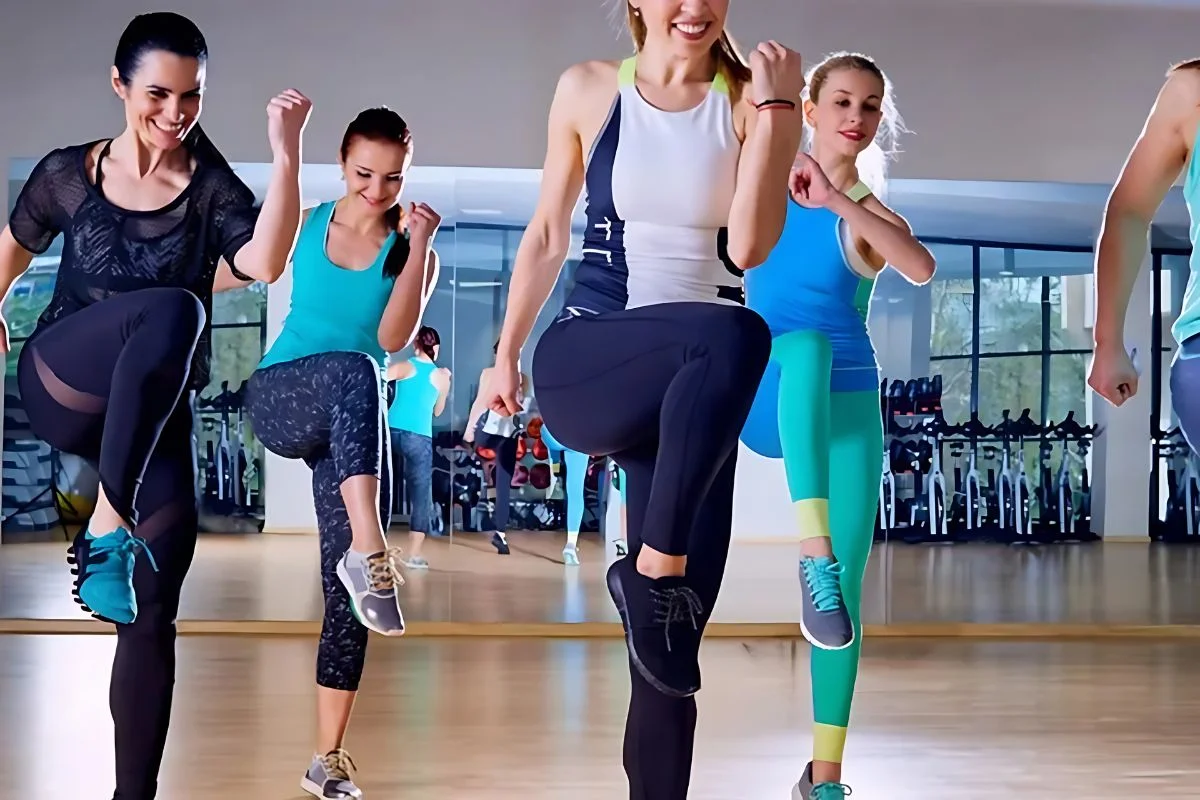
2. Sports-Inspired Group Classes
Boutique fitness studios have reinvented the group class by borrowing directly from professional sports aesthetics and culture. Boxing-inspired workouts like those offered by Barry’s, FightCamp, and Rumble have surged in popularity, offering the drama of combat sports without the contact. Participants shadowbox, hit heavy bags, and work combinations — all set to pounding music and theatrical lighting.
Similarly, basketball-themed cardio classes, baseball batting cage workouts, and football-drill-inspired HIIT sessions have turned professional sport training into accessible public fitness. These classes don’t just use athletic movements — they import the culture: the team energy, the competitive spirit, the sense of being an athlete rather than just someone exercising.
This sportification of the group class speaks to a deeper desire. People don’t just want to be fit; they want to feel like athletes. These workouts deliver that identity — and the Instagram content to go with it.
3. Competitive Fitness Events and Obstacle Racing
Mud runs, obstacle course races, and fitness competitions have evolved into full entertainment spectacles. Events like Spartan Race and Tough Mudder draw hundreds of thousands of participants globally each year. These aren’t just races — they’re theatrical productions with dramatic set designs, branded merchandise, post-race festivals, and live coverage.
The CrossFit Games, broadcast on major sports networks, have turned competitive fitness into a legitimate spectator sport. Athletes are celebrated like professional players, commented on in real time, and followed with genuine fan devotion.
This trend blurs the boundary between participant and audience. You sign up to race, but you’re also part of the entertainment. The course is designed for drama — dramatic obstacles, dramatic finishes, dramatic failures — all of which get filmed, shared, and consumed as content long after race day.
4. Fitness Content Creators and Live Workout Entertainment
Social media has turned fitness into performance. Platforms like YouTube, Instagram, and TikTok are home to fitness creators who don’t just instruct — they entertain. These athletes, coaches, and personalities build audiences through personality, storytelling, and spectacle, and their followers work out alongside them not as students, but as fans.
The rise of the live-streamed workout takes this further. Creators host real-time sessions where viewers participate from across the world, react in live chats, and feel part of a communal event. The energy of a shared, real-time experience — thousands of people squatting at the same moment — transforms exercise into collective performance.
5. Immersive and Themed Fitness Experiences
Experience-economy thinking has hit the fitness world hard. From nightclub-style cycling studios with synchronised light shows to aqua fitness classes in resort pools, today’s most talked-about workouts are designed as total sensory experiences.
Some studios offer themed classes tied to pop culture — superhero workouts, festival-themed HIIT, dance cardio inspired by specific music artists. Immersive fitness escapes the clinical feel of traditional gyms and replaces it with atmosphere, story, and spectacle.
The Bigger Picture
What unites all five of these trends is a simple insight: people move more when movement is meaningful and enjoyable. By fusing fitness with entertainment values — drama, community, competition, narrative, and play — these trends are expanding who participates in physical activity and how deeply they commit to it. The future of fitness isn’t just healthier bodies. It’s a better show.