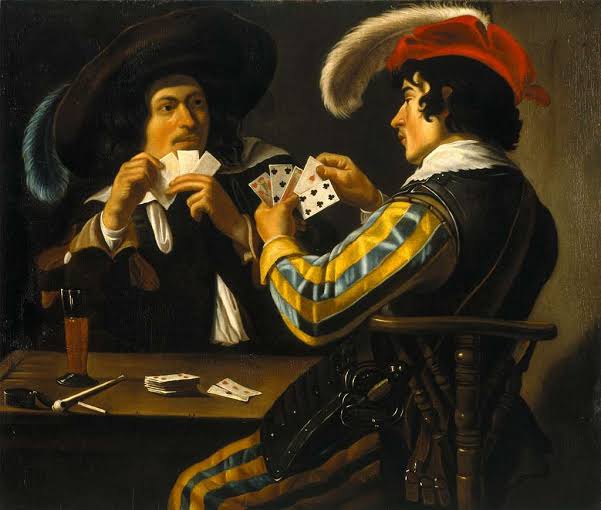
Gambling is one of the oldest forms of entertainment in human history, with evidence of dice games and wagering stretching back thousands of years across nearly every culture. Today it has evolved into a global industry worth hundreds of billions of dollars, spanning casinos, sports betting, lotteries, and online platforms accessible from a smartphone at any hour of the day. Yet despite its ubiquity, gambling remains one of the most misunderstood human behaviours — a pursuit that can be harmless fun for some and a genuinely destructive force for others. Understanding the psychology behind it offers valuable insight into why people gamble, what keeps them coming back, and how to engage with it responsibly.
The Allure of Uncertainty
At its core, gambling taps into something fundamental about human psychology: our relationship with uncertainty and reward. When we place a bet, the brain’s dopamine system activates not just when we win, but in anticipation of a possible win. This is why the moments before a roulette wheel stops spinning or a slot machine’s reels align can feel more thrilling than the outcome itself. Neuroscientists have found that near-misses — situations where a bet almost pays off — trigger similar brain activity to actual wins, which helps explain why gambling can feel compelling even when someone is losing money overall.
This is compounded by what psychologists call “variable ratio reinforcement,” a pattern of reward that occurs unpredictably rather than on a fixed schedule. It’s the same mechanism that makes checking a phone for notifications so habit-forming. Because wins arrive randomly, the brain stays engaged, always anticipating that the next bet might be the one that pays off.
Cognitive Distortions at Play
Several well-documented thinking patterns make gambling especially persuasive. The “gambler’s fallacy” leads people to believe that past outcomes influence future independent events — for instance, assuming a roulette wheel is “due” for red after a run of black numbers, even though each spin is statistically independent. The “illusion of control” causes people to overestimate their ability to influence random outcomes, such as believing that blowing on dice or choosing “lucky” numbers improves their odds.
There’s also the sunk cost fallacy, where a person keeps betting to recover previous losses rather than accepting them and walking away — a pattern that can spiral quickly, especially in high-stakes or fast-paced games. Marketing and game design often subtly reinforce these distortions, using near-miss animations, celebratory sounds for small wins, and features that make losses look smaller than they are.
Why Most People Gamble Without Harm
It’s worth noting that the majority of people who gamble do so occasionally and recreationally, treating it much like going to a concert or a sporting event — an entertainment expense with a built-in cost, rather than a financial strategy. For these individuals, gambling can offer genuine enjoyment: the social atmosphere of a poker night, the excitement of a big game, or simply the thrill of trying their luck within a budget they’ve decided in advance not to exceed.
The difference between recreational gambling and problem gambling often comes down to control: whether a person sets limits and sticks to them, gambles with money they can afford to lose, and treats losses as the cost of entertainment rather than a debt to be recovered.
Recognising When Gambling Becomes a Problem
For a smaller but significant portion of the population, gambling can develop into a compulsive behaviour with serious consequences — financial strain, damaged relationships, and mental health struggles including anxiety and depression. Warning signs include gambling with money needed for essentials, lying about the extent of one’s gambling, chasing losses, and feeling unable to stop despite wanting to. Because gambling disorder often develops gradually and carries social stigma, many people delay seeking help.
The good news is that gambling-related harm is treatable, and support resources exist in most countries, including confidential helplines, counselling services, and self-exclusion programs that allow individuals to voluntarily bar themselves from casinos and betting platforms.
Gambling Responsibly
For those who choose to gamble, a few practical habits can help keep it in the “entertainment” category rather than letting it become harmful:
- Set a budget in advance and treat it as money already spent, not money to be won back.
- Set a time limit for gambling sessions to avoid impulsive, fatigue-driven decisions.
- Avoid chasing losses — a losing streak is not a signal to bet more.
- Never gamble under emotional distress, as decision-making is often impaired during periods of stress or sadness.
- Take regular breaks to check in honestly with yourself about whether the activity still feels fun.
Conclusion
Gambling occupies a unique space in human behaviour — equal parts entertainment, risk, and psychology. Understanding the mental mechanisms that make it so engaging doesn’t just satisfy curiosity; it equips people to make more informed choices about if, when, and how they participate. Like many pleasures that involve risk, the key lies not in avoidance for everyone, but in awareness, moderation, and knowing where the line between fun and harm begins.
If gambling is affecting your life or someone you know, confidential support is available through national problem gambling helplines in most countries.