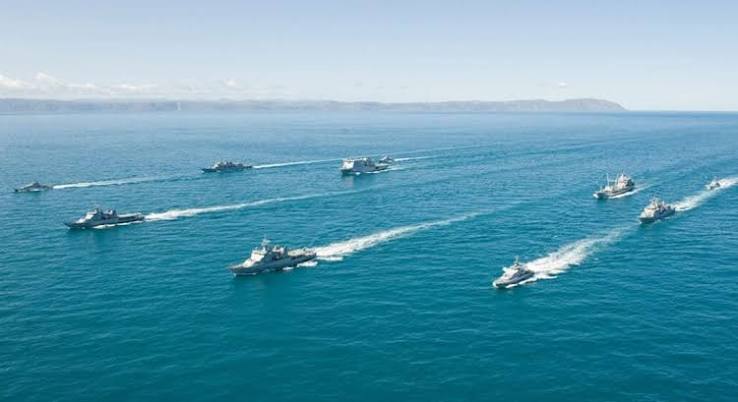
What Is Operation Sindoor?
Operation Sindoor is one of India’s most recent and heroic evacuation missions, launched with the goal of safely rescuing Indian nationals trapped in conflict-affected regions. Spearheaded by the Indian government in collaboration with its armed forces and diplomatic missions, it reflects India’s commitment to the safety of its citizens—no matter where they are in the world.
Background and Context
Launched amid growing tensions in West Asia, specifically during an escalation between Israel and Hamas, Operation Sindoor was India’s rapid response to protect its citizens stuck in volatile zones, particularly in Israel.
The Urgency Behind the Operation
Crisis in Conflict Zones
With sudden airstrikes, bombings, and civil unrest gripping the region, Indian citizens—especially students, workers, and tourists—found themselves in grave danger. Time was ticking, and immediate action was necessary.
The Need for Immediate Evacuation
Many Indians were unable to leave on their own due to airport shutdowns and disrupted transportation. Operation Sindoor emerged as their lifeline.
Objectives of Operation Sindoor
Rescue of Indian Citizens
The foremost goal was to safely evacuate all Indian nationals from the danger zones, especially in areas where the conflict was most intense.
Coordination with Foreign Governments
India worked closely with the Israeli government and neighboring nations to create safe travel corridors and ensure smooth cross-border operations.
Ensuring Safety Amid War and Crisis
The mission aimed not just to evacuate, but to ensure dignity, safety, and support for every evacuee.
Where Did Operation Sindoor Take Place?
Conflict Zones Involved
The operation was focused primarily in Israel, particularly around Tel Aviv and other conflict-impacted regions.
Countries Affected
Though Israel was the focal point, coordination also extended to Jordan, Cyprus, and Egypt as alternative safe transit routes.
Timeline of Events
Initial Planning and Mobilization
Within hours of conflict escalation, the Indian government began assessing the situation and mobilizing diplomatic resources.
Execution Phase
Military aircraft, including IAF’s C-17 Globemasters, were deployed, and citizens were notified via embassy alerts and helplines.
Successful Evacuations
Within days, hundreds of Indian citizens were evacuated safely—marking the operation as a resounding success.
Key Players Involved
Indian Armed Forces
The Indian Air Force played a critical role by airlifting stranded individuals and managing on-ground logistics.
Ministry of External Affairs
The MEA coordinated communications, clearances, and legal formalities in collaboration with foreign counterparts.
Embassies and Diplomats
Indian embassies became crisis response centers—providing shelter, food, documentation, and moral support.
Challenges Faced During the Mission
Logistical Hurdles
Navigating war-torn regions without jeopardizing lives posed a massive coordination challenge.
Hostile Environments
Constant threats from missile attacks and gunfire made timing and route planning absolutely critical.
Coordinating Airlifts and Safe Corridors
Air corridors had to be negotiated under tight timelines, often requiring diplomatic finesse and precision.
How Operation Sindoor Was Carried Out
Air Evacuations
Large IAF aircraft carried evacuees in batches from Tel Aviv to India. Medical staff were onboard to assist.
Land Convoys and Safe Routes
Where flights were not possible, bus convoys moved citizens to neighboring safe zones before air transport.
Use of Military Aircraft
C-17s and IL-76s were equipped for rapid deployment under combat-risk conditions, showcasing IAF’s agility.
Emotional Impact on Evacuees
Stories from Rescued Citizens
Many evacuees shared tearful stories of being saved at the last moment—students separated from families, tourists who thought they wouldn’t make it home.
Families Reunited
As planes landed back on Indian soil, families hugged, cried, and thanked the rescue teams. It was more than a mission—it was a miracle for many.
International Recognition and Response
Praise from Global Media
World media outlets acknowledged the efficiency and humanitarian spirit of India’s evacuation efforts.
Diplomatic Appreciation from Host Countries
Nations like Israel appreciated India’s swift response and commitment to protecting its citizens while respecting local protocols.
Role of the Indian Government
Prime Minister and Cabinet Involvement
PM Narendra Modi and the External Affairs Minister actively monitored the situation, ensuring zero red tape in rescue logistics.
Strategic Planning and Rapid Execution
This operation proved that India is capable of swift, large-scale mobilization during international emergencies.
Operation Sindoor vs. Previous Evacuations
Comparisons with Operation Ganga and Vande Bharat
While Operation Ganga evacuated Indians from Ukraine and Vande Bharat brought people home during COVID-19, Operation Sindoor was more combat-risk oriented, demanding high precision.
Lessons Learned
Each operation refines India’s future strategies—Sindoor showcased the importance of proactive intelligence and early diplomatic outreach.
Media Coverage and Social Media Buzz
Coverage by National and International News
Top news outlets covered real-time updates, giving Operation Sindoor a heroic narrative in global consciousness.
Citizens Sharing Stories Online
Twitter, Instagram, and Facebook were flooded with “Thank You India” posts, videos from aircrafts, and emotional farewells.
Future Implications of Operation Sindoor
Strengthening Crisis Response Mechanisms
This mission will likely lead to stronger frameworks for NRI protection, especially in volatile regions.
Building Trust in Indian Diplomatic Power
Global citizens now see India as a nation that stands up for its own—a major step in international perception.
Conclusion
Operation Sindoor wasn’t just a mission; it was a message. A message that no Indian is ever truly alone, no matter where they are in the world. It showed the power of preparedness, unity, and compassion. As crises continue to emerge globally, Operation Sindoor will stand as a benchmark for courage and commitment to humanity.